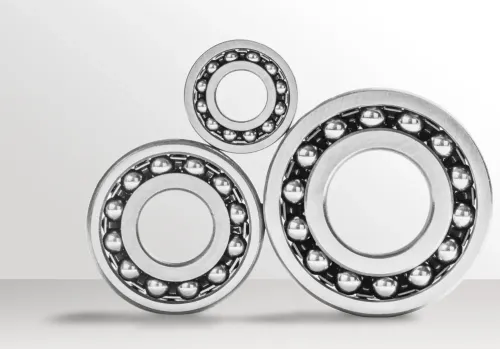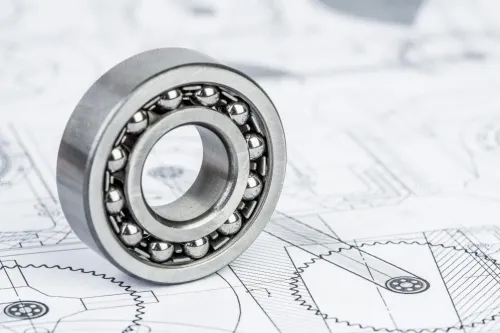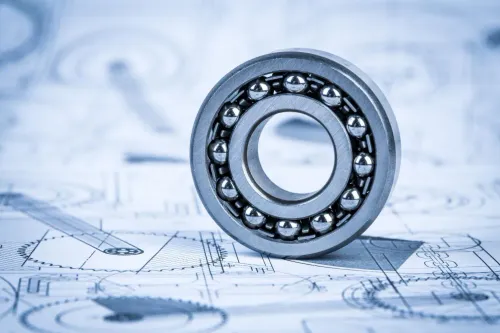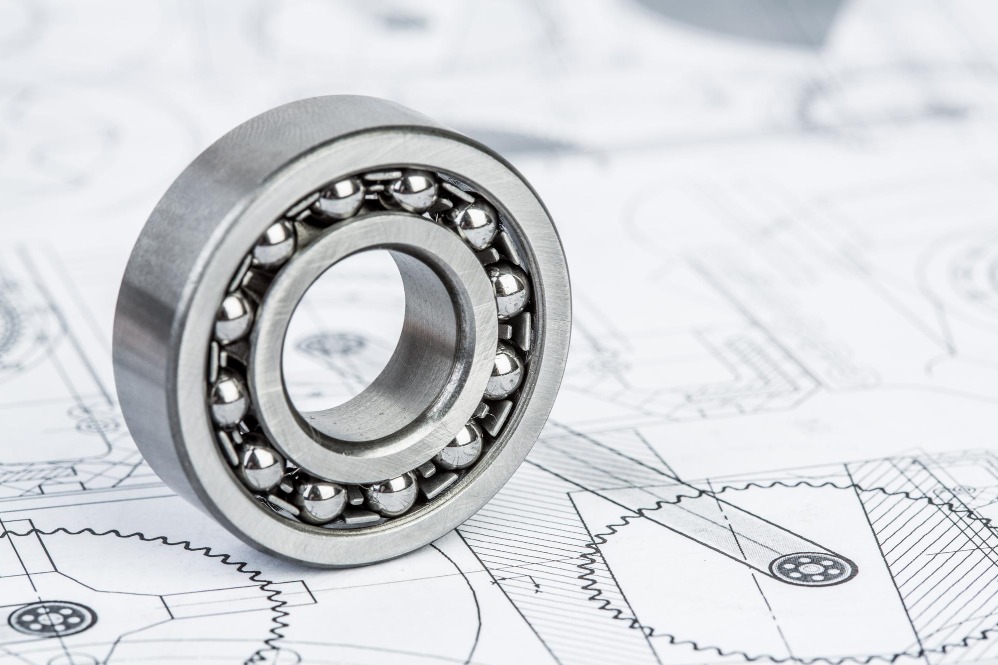
Industrial machinery depends on precision, consistency, and durability. One of the smallest yet most important components responsible for smooth machine performance is the bearing. Whether it is used in manufacturing equipment, conveyor systems, pumps, motors, compressors, or automated production lines, selecting the right bearing supplier can directly influence machine reliability, maintenance costs, and production efficiency.
For industries operating in Bhosari MIDC, one of Pune's busiest manufacturing hubs, choosing a dependable supplier is often as important as selecting the bearing itself. Downtime caused by inferior components can affect production schedules, delivery commitments, and overall operating costs.
Why the Right Bearings Supplier Matters
A quality bearing is designed to reduce friction between moving parts while supporting radial or axial loads. However, even the best bearing can underperform if it is incorrectly selected, poorly stored, or sourced from unreliable channels.
A professional bearings supplier helps customers by offering:
- Genuine industrial products
- Technical guidance for bearing selection
- Consistent product availability
- Multiple bearing configurations
- Reliable delivery schedules
- Support for industrial maintenance requirements
These factors help maintenance teams avoid unexpected failures while improving equipment lifespan.
Every Machine Has Different Bearing Requirements
Industrial applications rarely use the same bearing across every machine. Load conditions, shaft speed, operating temperature, lubrication methods, and environmental exposure all influence bearing selection.
For example:
- Electric motors require smooth, low-friction operation.
- Conveyor systems demand durability under continuous use.
- Gearboxes operate under heavy radial loads.
- Packaging machines require precision movement.
- Industrial fans often operate at high rotational speeds.
An experienced supplier understands these differences and helps customers choose products suitable for specific applications instead of recommending a one-size-fits-all solution.
Risks of Choosing Low-Quality Bearings
Price often becomes a deciding factor during procurement. However, selecting low-cost products without verifying quality may lead to expensive maintenance issues.
Common problems include:
- Premature bearing failure
- Increased machine vibration
- Excessive operating noise
- Shaft damage
- Lubrication leakage
- Higher energy consumption
- Frequent production stoppages
Replacing failed bearings repeatedly usually costs far more than investing in dependable products from the beginning.
Features to Look for in a Bearings Supplier
Before establishing a long-term procurement relationship, businesses should evaluate several factors.
Product Availability
Manufacturing operations cannot always wait several weeks for replacement parts. A supplier maintaining adequate inventory helps reduce production delays.
Technical Knowledge
Industrial buyers often require guidance regarding dimensions, load ratings, operating conditions, and replacement compatibility.
Genuine Products
Original industrial bearings deliver consistent performance and predictable service life, reducing maintenance uncertainty.
Consistent Supply
OEMs and production facilities benefit from suppliers capable of maintaining uninterrupted inventory for recurring requirements.
Responsive Customer Support
Quick technical assistance can help maintenance teams identify suitable alternatives during emergency breakdown situations.
Benefits for OEMs and Manufacturing Companies
Equipment manufacturers require components that maintain consistent quality throughout production.
Working with a knowledgeable bearings supplier offers several advantages:
- Improved production consistency
- Reduced warranty-related issues
- Easier inventory planning
- Better machine reliability
- Lower maintenance costs
- Simplified procurement processes
These benefits become especially valuable for businesses producing industrial machinery or specialized equipment.
Why Local Availability Makes a Difference
Industrial areas like Bhosari MIDC operate around demanding production schedules. When equipment stops unexpectedly, immediate access to replacement components becomes critical.
Local sourcing offers advantages such as:
- Faster deliveries
- Reduced transportation delays
- Easier technical discussions
- Better stock accessibility
- Simplified repeat ordering
This improves maintenance response time and helps factories resume operations more quickly.
Selecting a Supplier for Long-Term Value
Rather than comparing suppliers only on pricing, industrial buyers should evaluate long-term reliability.
Questions worth asking include:
- Does the supplier maintain regular stock?
- Can they recommend suitable bearing alternatives?
- Are products sourced from trusted manufacturers?
- Can they support both OEM and maintenance requirements?
- Do they understand industrial applications?
These considerations often provide better long-term value than focusing solely on the initial purchase price.
Companies such as Axilon support industries by supplying industrial transmission components while helping customers identify bearings suited to specific operational requirements. Businesses looking for technical information can also explore the company's resources available through axilon.in to better understand industrial component selection.
A dependable bearings supplier contributes more than product availability. The right partner supports smoother production, reduced maintenance challenges, and better operational efficiency—qualities every manufacturing facility values in today's competitive industrial environment.