Ball bearings are among the most widely used mechanical components across manufacturing industries. Their ability to minimize friction while supporting rotating shafts makes them essential for everything from electric motors to pumps, fans, conveyors, agricultural equipment, machine tools, and automated production systems.
For industries operating across Chinchwad MIDC, selecting suitable ball bearings can improve machine performance, extend equipment life, and reduce maintenance expenses. Understanding how these bearings function makes procurement decisions much easier.
What Are Ball Bearings?
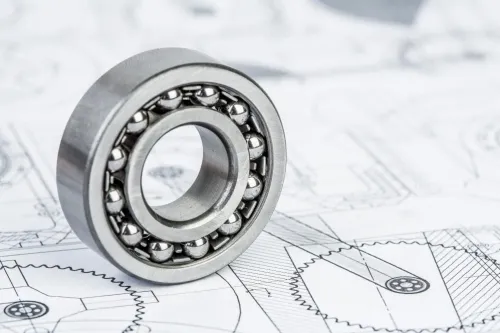
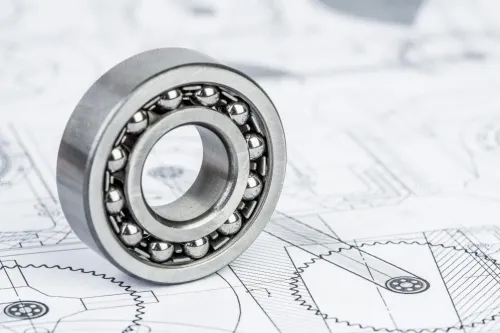
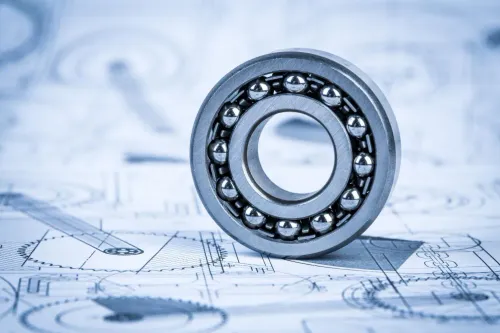
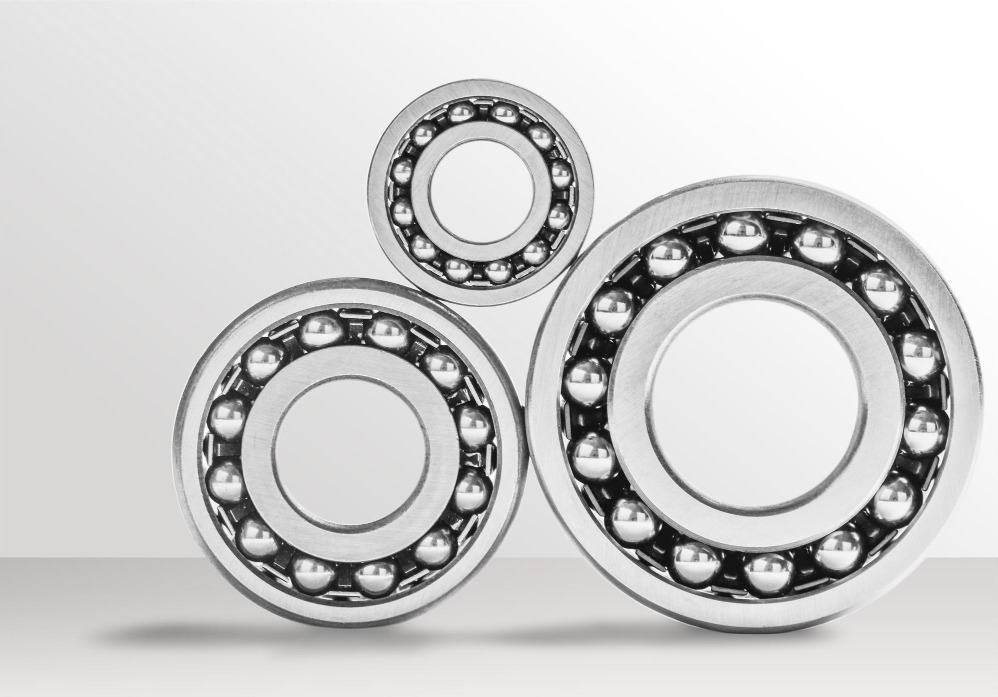
Ball bearings consist of an inner ring, outer ring, rolling balls, and a cage that keeps the balls evenly spaced.
As the shaft rotates, the balls roll between the raceways, significantly reducing friction compared to sliding contact. This rolling action allows machinery to operate efficiently while minimizing wear.
Their simple yet effective design makes them suitable for thousands of industrial applications.
Common Applications
Ball bearings are found in numerous industries because of their versatility.
Typical applications include:
- Electric motors
- Water pumps
- Industrial blowers
- Conveyor rollers
- Compressors
- Textile machinery
- Packaging equipment
- Machine tools
- Food processing equipment
- Agricultural machinery
Their compact size and dependable performance make them a preferred solution for both light-duty and medium-duty industrial systems.
Advantages of Ball Bearings
Several characteristics contribute to their widespread use.
Low Friction
Reduced friction allows machines to operate efficiently while consuming less energy.
High-Speed Performance
Many industrial machines require components capable of operating at high rotational speeds without excessive heat generation.
Smooth Operation
Ball bearings help minimize vibration and improve rotational accuracy.
Easy Maintenance
Many standard bearing sizes simplify replacement during scheduled maintenance.
Long Service Life
Proper installation, lubrication, and operating conditions allow quality bearings to perform reliably for extended periods.
Factors to Consider Before Buying
Selecting the correct bearing requires more than matching dimensions.
Important considerations include:
- Shaft diameter
- Housing dimensions
- Radial load
- Axial load
- Operating speed
- Lubrication method
- Ambient temperature
- Dust or moisture exposure
Ignoring any of these factors may shorten bearing life and increase maintenance frequency.
Common Causes of Bearing Failure
Even premium bearings can fail prematurely if operating conditions are unsuitable.
Frequent causes include:
- Improper installation
- Misalignment
- Contamination
- Excessive loading
- Inadequate lubrication
- Moisture ingress
- Overheating
Routine inspections help identify early warning signs before failures disrupt production.
Why Quality Matters
Industrial machinery often operates continuously for long hours. Bearings manufactured with poor material quality or inaccurate tolerances may generate vibration, increase operating temperatures, and damage surrounding components.
Investing in quality products usually results in:
- Better reliability
- Lower maintenance costs
- Improved machine efficiency
- Reduced downtime
- Longer replacement intervals
These long-term advantages frequently outweigh the difference in initial purchase cost.
Supporting Industrial Procurement
Manufacturers, machine builders, and maintenance departments benefit from suppliers capable of recommending suitable bearing solutions for different operating environments.
In industrial regions such as Chinchwad MIDC, quick product availability also helps minimize production interruptions during emergency replacements.
Industrial component providers like Axilon support customers by supplying bearings suited for diverse manufacturing applications while helping buyers make technically informed decisions. Additional product information and industrial solutions are also available through axilon.in for businesses seeking dependable engineering support.
Choosing the right ball bearings involves understanding machine requirements rather than selecting components based only on size or price. With proper selection, installation, and maintenance, these essential components contribute to reliable equipment performance, improved operational efficiency, and reduced lifecycle costs across a wide range of industrial applications.